NOVEMBER 9, 2026
Office Cleaning Checklist: Daily, Weekly and Monthly Tasks
An office cleaning checklist sets out what gets cleaned, how often and who is responsible. The core routine for most offices is daily attention to restrooms, break rooms, trash, entrances and high-touch surfaces, weekly detail work, monthly deep cleaning, and floor, carpet and high-level work a few times a year.
Below is a complete checklist organized by frequency and by area, which you can copy into your own log. It also covers how to adjust it for your building, what OSHA expects, and a simple way to inspect the results. It is written for office managers and facility managers, whether the work is done by staff or by a cleaning contractor.
In this guide:
- Daily office cleaning checklist
- Weekly tasks
- Monthly tasks
- Quarterly and annual tasks
- High-touch surfaces and disinfecting
- How to adjust the checklist for your office
- What OSHA requires
- How to inspect the work
- Frequently asked questions
Daily Office Cleaning Checklist
Daily tasks protect health and first impressions. In a five-day office, “daily” usually means each night after people leave, with a midday restroom check in busier buildings.
Entrances and reception
- Clean entry door glass and handles
- Vacuum or shake out walk-off mats
- Sweep and damp-mop hard floors
- Wipe the reception desk and visitor seating
Workstations and private offices
- Empty trash and recycling and replace liners as needed
- Vacuum traffic lanes and visible debris
- Wipe clear desk areas, following your policy on personal items
- Spot-clean interior glass and partitions
Conference rooms
- Wipe tables, chair arms and remote controls
- Clean whiteboards if your policy allows, and replace markers
- Remove trash and reset the furniture
- Vacuum the floor
Restrooms
- Clean and disinfect toilets, urinals, sinks and counters
- Clean mirrors and stainless fixtures
- Wipe partitions, door handles and dispensers
- Restock toilet paper, towels and soap
- Empty trash and sanitary receptacles
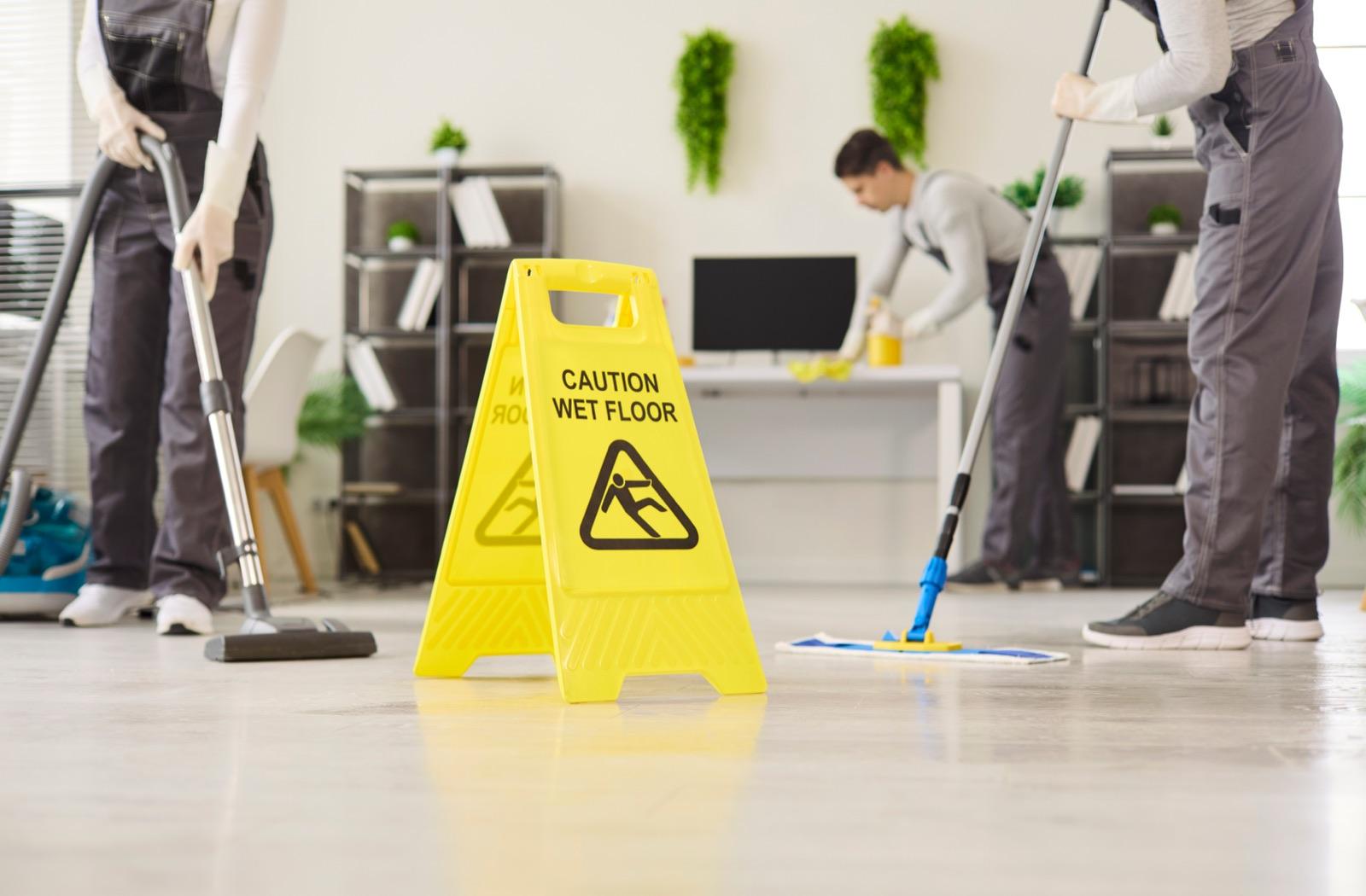
- Sweep and mop with a disinfectant cleaner, placing wet floor signs
Break rooms and kitchens
- Clean counters, tables and chairs
- Clean the sink and faucet
- Wipe appliance fronts and handles, and the inside of the microwave
- Remove trash, recycling and compost
- Restock soap and towels
- Sweep and mop the floor
Corridors, stairs and elevators
- Vacuum or dust-mop corridors
- Wipe handrails and elevator buttons
- Remove spills and anything that could cause a trip
Weekly Office Cleaning Tasks
Weekly work catches what the daily routine passes over.
- Vacuum all carpet fully, including edges and under accessible furniture
- Dust reachable surfaces: sills, ledges, partition tops, picture frames and shelves
- Wipe door frames, light switches and scuffed wall areas
- Clean interior glass fully, including sidelights and glass doors
- Clean the outside of trash and recycling bins
- Clean the refrigerator exterior and empty it on an agreed day
- Scrub restroom floors and grout lines
- Descale faucets and toilets where hard water is a problem
- Check cleaning closets and restock supplies
Monthly Office Cleaning Tasks
Monthly work is deeper and usually scheduled, so plan it around meetings and quiet days.
- Dust vents, return grilles and light fixtures that can be reached safely
- Vacuum upholstered chairs and soft seating
- Wash restroom partitions and walls
- Machine-scrub or burnish hard floors as the finish requires
- Deep clean break room appliances, including the microwave and refrigerator interior
- Clean baseboards and corners that mops and vacuums miss
- Wash the inside and outside of trash receptacles
- Spot-treat carpet stains and note areas that need extraction
Quarterly and Annual Tasks
These jobs usually need specialized equipment and are often quoted separately from the recurring contract.
| Task | Typical frequency | Notes |
|---|---|---|
| Carpet extraction | 1 to 4 times a year | More often in entrances and main corridors |
| Strip and refinish resilient floors | 1 to 2 times a year | Depends on traffic and how well the floor is maintained between cycles |
| Tile and grout deep clean | 1 to 4 times a year | Prioritize restrooms and kitchens |
| High dusting | 2 to 4 times a year | Pipes, ducts and tall fixtures, using lifts where needed |
| Interior and exterior windows | 2 to 4 times a year | Exterior frequency depends on building height and access |
| Upholstery cleaning | 1 to 2 times a year | Reception and conference seating first |
| Cleaning supply and safety data sheet review | Once a year | Remove products no longer used and update the binder |
Treat these frequencies as a starting point and set them by floor type and traffic. For planned deep cleaning, floor refinishing and carpet work, see our commercial cleaning services.
High-Touch Surfaces and Disinfecting
Surfaces many people touch deserve their own line on the checklist, because they are easy to miss during general cleaning:
- Door handles, push plates and access card readers
- Elevator buttons and stair rails
- Light switches and thermostat controls
- Shared phones, touchpads, keyboards and conference room remotes
- Copier and printer panels
- Faucets, soap dispensers and restroom fixtures
- Refrigerator, microwave and coffee machine handles
Current facility guidance from the Centers for Disease Control and Prevention (CDC) says to clean high-touch surfaces regularly, and that high-traffic areas may be cleaned more often or disinfected as well as cleaned. It does not set a fixed number of times per day. It recommends disinfecting areas where someone has obviously been ill, along with cleaning them.
Cleaning and disinfecting are separate steps. Cleaning removes soil, and disinfectants work best on a surface that has already been cleaned. Disinfectants must also stay wet for the contact time on the product label, so a quick spray and wipe often does not achieve what the label claims.
How to Adjust the Checklist for Your Office
No checklist fits every building. Adjust it based on how the space is really used:
- Headcount and visitors. Add a midday restroom and break room check when traffic is heavy. Larger buildings sometimes keep a crew member on site during the day.
- Hybrid schedules. If Mondays and Fridays are quiet, focus detail work on those days and keep restrooms and break rooms on the regular schedule.
- Flooring. Carpet needs more vacuuming and periodic extraction. Hard floors need dust control and scheduled finish care.
- Clean desk policy. Crews can only wipe clear surfaces, so tell employees what will and will not be touched.
- Sensitive areas. Server rooms, records rooms and executive suites may need supervised access or specific instructions.
- Product preferences. For lower-impact options, see green office cleaning practices and products certified under Green Seal GS-42.
Running a building with industrial or storage areas too? Use our separate warehouse cleaning checklist for those spaces, since their risks and equipment are different.
What OSHA Requires
OSHA does not publish a required office cleaning schedule. Its standards set general requirements that your checklist should support:
- 29 CFR 1910.22 requires workplaces, passageways and walking-working surfaces to be kept clean, orderly and sanitary, and workroom floors to be kept clean and, to the extent feasible, dry.
- 29 CFR 1910.141 covers workplace sanitation, including housekeeping, waste receptacles and maintaining washing facilities in a sanitary condition.
- 29 CFR 1910.1200 is the hazard communication standard. It covers chemical labels, safety data sheets and employee training for hazardous chemicals, including cleaning products where it applies.
- 29 CFR 1910.1030 is the bloodborne pathogens standard. It applies to workers with reasonably anticipated exposure, which is why a plan for sharps and blood cleanup matters.
This is a general summary rather than legal advice. Confirm how each standard applies to your workplace and whether your state runs its own OSHA plan.
How to Inspect the Work
A checklist only works if someone checks the results. A simple routine is enough for most offices:
- Choose a fixed set of spaces to inspect each week, always including at least one restroom and the break room.
- Inspect in the morning, before the day’s traffic hides or adds to the results.
- Score each space from 1 to 5 for floors, surfaces, fixtures, trash and supplies.
- Record problems with the location, date and a photo.
- Set a time limit for fixing them, and review repeat problems with your cleaning supervisor each month.
If you outsource, turn this checklist into a contract document so everyone is working from the same list. Our guide to writing a janitorial scope of work shows how. If you are replacing your current provider, see how to switch commercial cleaning companies.
Frequently Asked Questions
What should be on an office cleaning checklist?
Tasks for each area, including entrances, workstations, conference rooms, restrooms, break rooms and corridors, grouped by daily, weekly, monthly and periodic frequency. Add a list of high-touch surfaces and a note of who is responsible for each task.
How often should an office be cleaned?
Most occupied offices need restrooms, break rooms, trash and high-touch surfaces handled daily. Low-traffic offices may be fine with full cleaning two or three times a week. The right schedule depends on headcount, visitors and flooring.
What is the difference between daily and deep cleaning?
Daily cleaning handles trash, restrooms, visible dirt and high-touch points. Deep cleaning reaches what routine service does not, such as vents, baseboards, carpet extraction and floor refinishing.
How often should office carpets be professionally cleaned?
One to four times a year is a common range, with entrances and main corridors cleaned more often. Follow the carpet manufacturer’s guidance, since some warranties specify a cleaning schedule.
Should employees clean their own desks?
Many offices ask employees to keep their desks clear and take care of personal items, while the cleaning crew handles trash, floors and clear surfaces. Whatever you decide, state it plainly so nothing falls between the two.
Let Us Take the Checklist Off Your Plate
ProClean USA has cleaned offices and commercial facilities since 1996, with trained, insured crews and after-hours scheduling. We will walk your office, build a task list around how your space is used and give you a written proposal. See our office cleaning and janitorial services, including service in New Jersey and Philadelphia, or request a walkthrough. Call (856) 237-3041.
Recent Posts
GMP Janitorial Contractors: What FDA Requires and How to Qualify One
What 21 CFR 211.56 means when you hire a janitorial contractor for a GMP facility: responsibilities, how to qualify one, training, records and oversight.
NOVEMBER 9, 2026
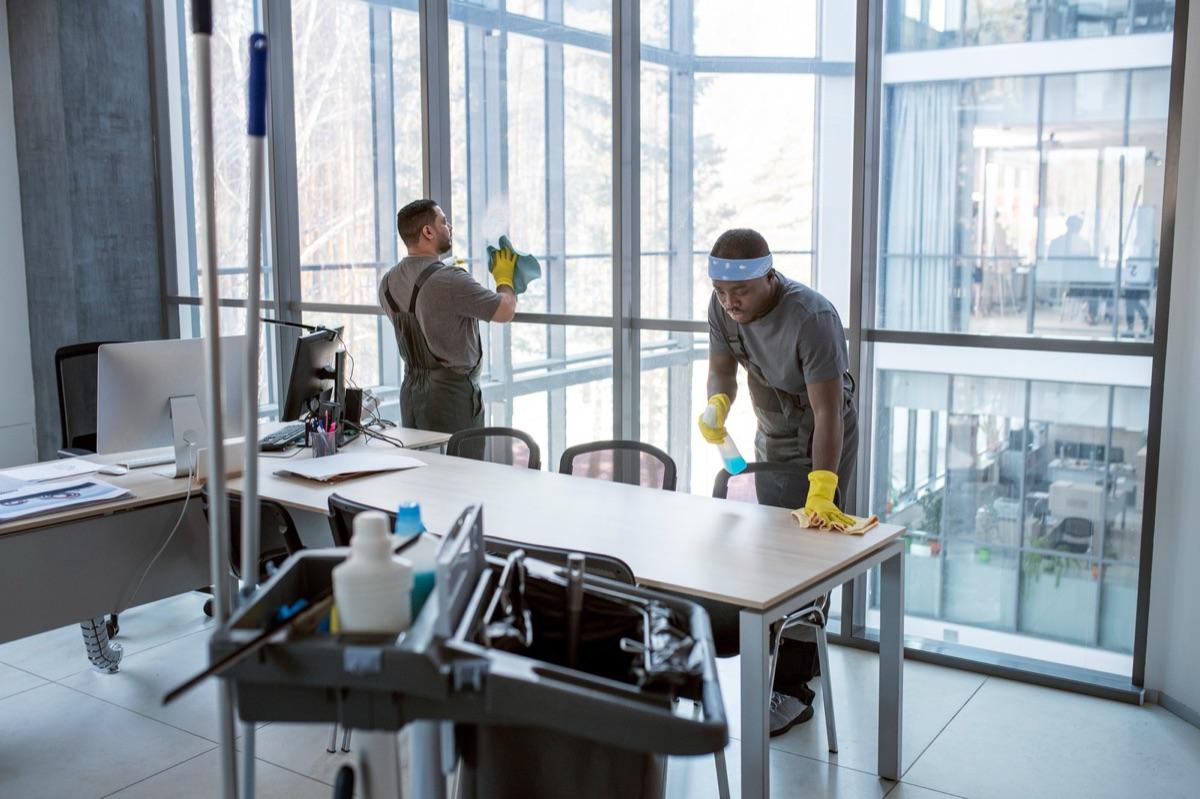
How to Switch Commercial Cleaning Companies
How to switch commercial cleaning companies without a service gap: when to leave, contract notice, worker retention laws and a 30-day transition plan.
NOVEMBER 9, 2026
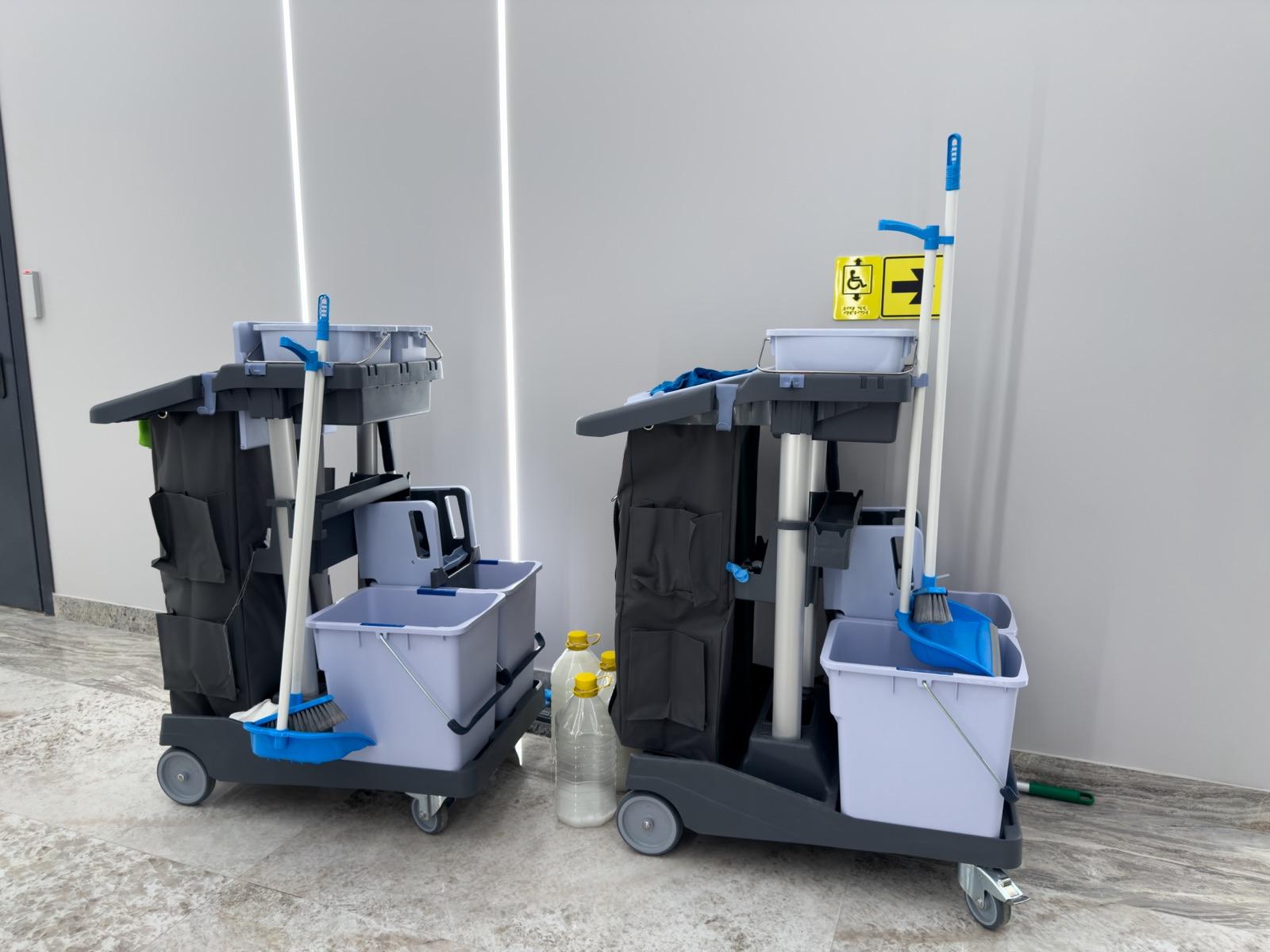
Janitorial Scope of Work: What to Include, With a Template
How to write a janitorial scope of work: areas, task frequencies, APPA cleaning levels, supplies, staffing, inspections and a sample frequency table.
NOVEMBER 6, 2026
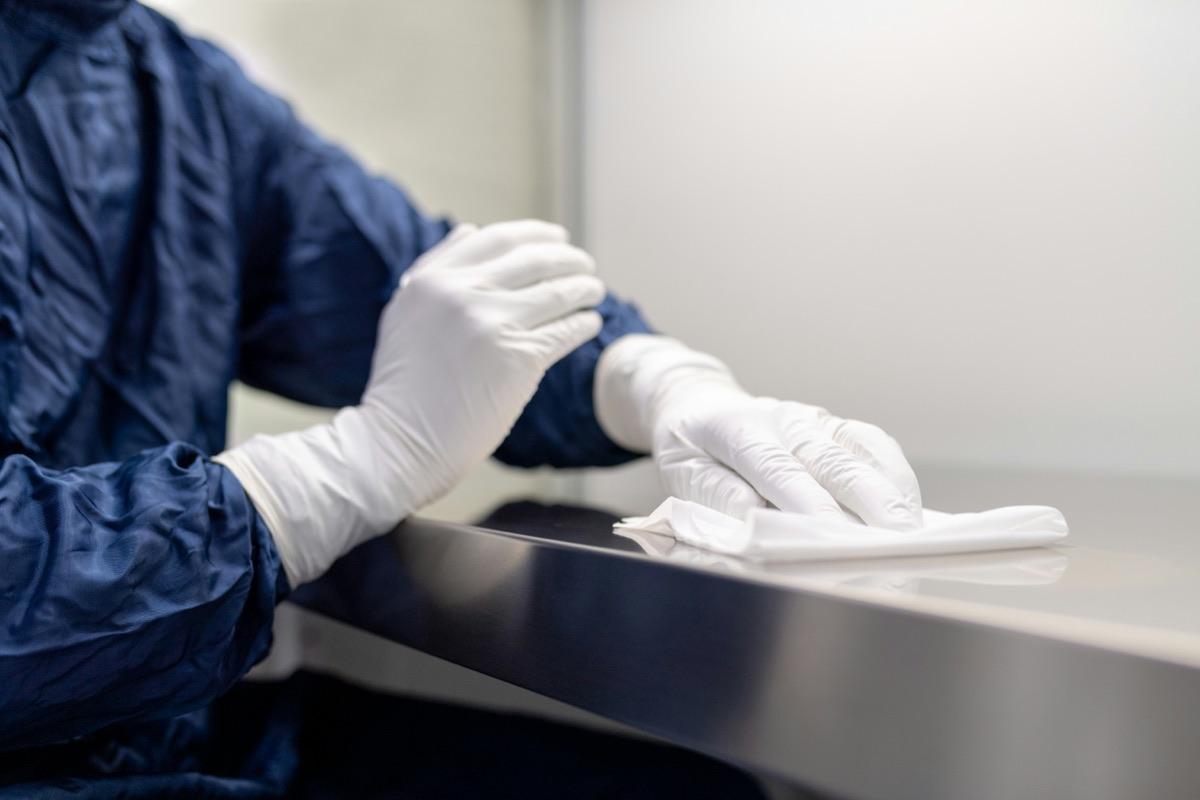
Cleanroom Cleaning Procedures: A Step-by-Step Guide
Cleanroom cleaning procedures explained: the cleaning sequence, frequency by ISO class and GMP grade, disinfectant rotation and the records QA expects.
NOVEMBER 6, 2026